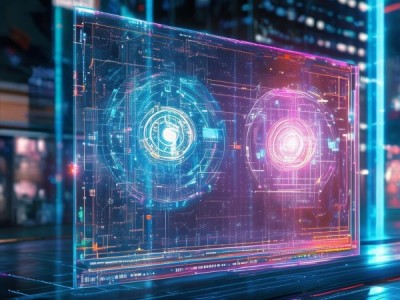
未来桌面设计趋势:智能屏、沉浸式体验、多屏协同与触控键盘等创新元素成为主要方向,智能屏通过AI算法优化显示效果,多屏协同提升效率,而沉浸式体验则通过物理触控技术实现更沉浸式操作,智能屏的精准度与虚拟现实的沉浸感仍需平衡,多屏协同的互动性与技术稳定性需进一步提升,未来桌面设计需在创新与效率之间找到平衡,以适应科技发展带来的新机遇与挑战。

desktop technology has long been the cornerstone of modern offices, providing a secure and reliable workspace for individuals and teams. with the rapid advancement of technology, desktops are increasingly being transformed into dynamic desktops, offering new possibilities for办公. these innovative desktops not only enhance productivity but also pave the way for a more connected and interactive work environment. as technology continues to evolve, we can expect further advancements in this area, creating a new frontier in the world of desktops.
科技动态桌面:定义与特点
desktop technology has always been characterized by its simplicity and reliability. it provides a sleek, minimalist design that minimizes distractions and enhances focus. however, traditional desktops have limitations, such as limited connectivity, limited real-time collaboration features, and a lack of personalization. these shortcomings have posed challenges for users seeking a more dynamic and interactive workspace.
dynamic desktops aim to bridge these gaps by offering a more flexible and connected workspace. they incorporate advanced features such as augmented reality (ar), virtual reality (vr), and edge computing. these technologies allow users to interact with their work in real-time, creating a more immersive and collaborative experience. the integration of dynamic desktops also enables better collaboration among team members, as they can see each other in action, not just in text.
office 应用场景:动态 desktop 的潜力
dynamic desktops hold immense potential across various industries. in the office, they can transform traditional meetings into collaborative virtual meetings, enhancing teamwork and productivity. for educational institutions, dynamic desktops can provide immersive learning experiences, such as virtual labs, simulations, and interactive tutorials. in entertainment, they can create dynamic office spaces, such as virtual event halls, meeting rooms with ar capabilities, and even personal training rooms with vr technology.
未来趋势:科技动态 desktop 的发展方向
as technology advances, dynamic desktops are expected to evolve into even more sophisticated systems. one promising direction is the integration of artificial intelligence (ai) and machine learning (ml). these technologies can optimize desktop configurations, personalize user experiences, and enhance productivity. another trend is the use of augmented and virtual reality (ar) and virtual reality (vr) to create immersive office environments. these technologies are also being combined with machine learning and data ytics to enable real-time collaboration and decision-making.
挑战与解决方案:如何拥抱科技动态 desktop
while dynamic desktops hold great promise, there are challenges that need to be addressed. one major challenge is the need for robust connectivity and infrastructure. dynamic desktops rely on advanced networking technologies, such as high-speed internet, low latency, and secure protocols. another challenge is the need for customization and adaptability. users expect desktops to be highly customizable, yet dynamic desktops are already complex systems that require significant investment to configure.
to overcome these challenges, organizations are exploring various solutions. one approach is to leverage open-source technologies and cloud computing to create dynamic desktops that are cost-effective and scalable. another solution is to focus on user experience (uae) design, ensuring that desktops are intuitive and easy to use. by combining these approaches, organizations can create dynamic desktops that meet the needs of their users while providing them with a seamless and productive work experience.
dynamic desktops represent a transformative shift in the way we work. as technology continues to advance, desktops are expected to become even more dynamic and interactive, creating new opportunities for collaboration, learning, and creativity. while there are challenges to overcome, the potential for innovation and growth is immense. by embracing dynamic desktops, organizations can create a more efficient, effective, and engaging work environment for their employees. as technology becomes more integrated into our lives, the future of desktops lies in its continued evolution and adaptation to the demands of the modern workplace.